
Kitten Season Starts Earlier Than You Think
In Western Pennsylvania, kitten season does not wait for warm weather. Pregnant cats give birth year-round, and by late winter, shelters begin seeing an increase in newborn kittens who are too young to survive on their own. To help meet this growing need, Humane Animal Rescue of Pittsburgh is hosting a neonatal kitten foster open house in Pittsburgh for community members interested in learning how to help.
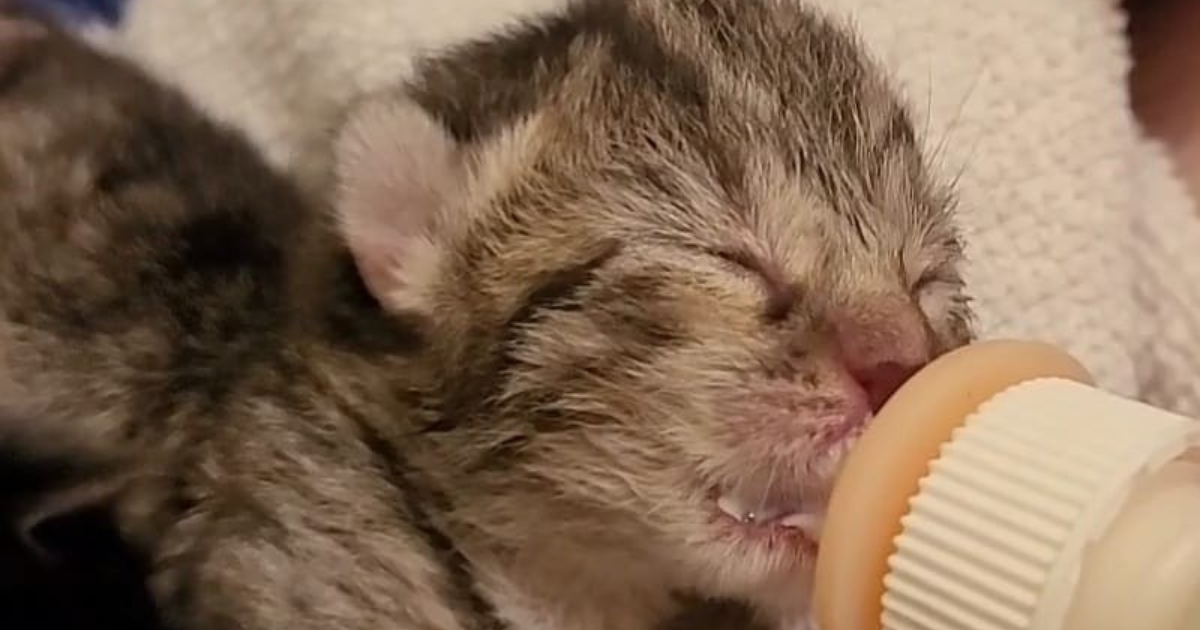
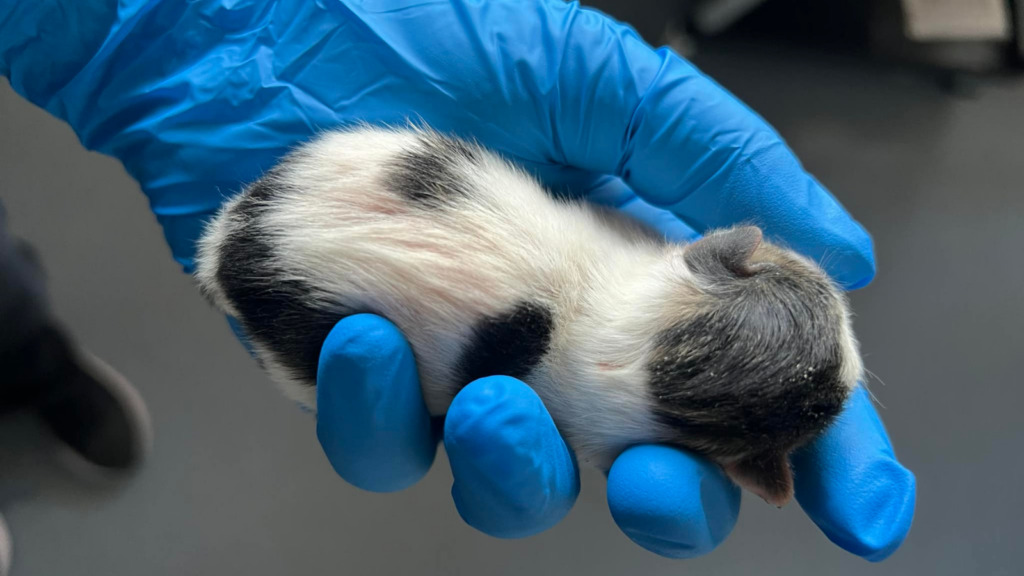
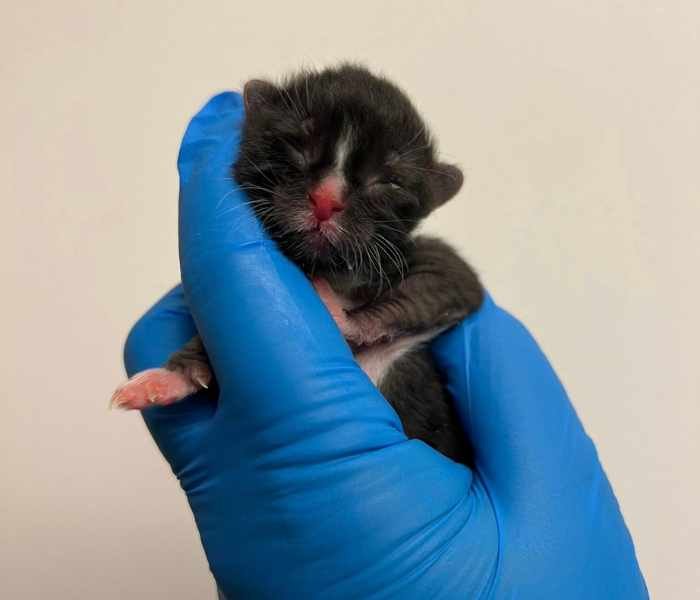
The tiniest kittens, those in their first four weeks of life, are called neonatal kittens. At this stage, they are still learning how to regulate their body temperature, eat consistently, and grow strong. They require frequent feedings, steady warmth, and close monitoring to thrive.
That kind of round-the-clock care is difficult to provide in a shelter environment. Without foster homes, these kittens face overwhelming odds.
This is where community members step in, not as experts, but as caregivers supported with guidance, training, and ongoing support.
What Makes Neonatal Kittens Different
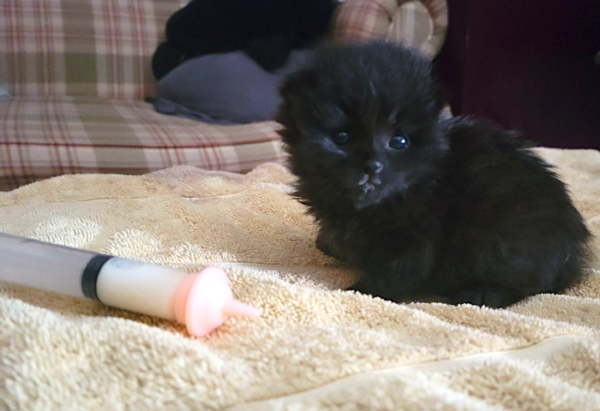
Neonatal kittens are not just small cats. They are fragile, developing beings whose survival depends on temperature control, nutrition, and careful monitoring.
Here are some key things many people tend to not realize:
- Kittens under four weeks cannot regulate their own body temperature
- They must be fed every two to four hours, including overnight
- Weight gain is one of the strongest indicators of survival
- A single missed feeding or drop in warmth can be life-threatening
This is why foster homes play such an important role for neonatal kittens, offering the individualized care they need.
The Community Impact of Foster Care
When neonatal kittens are cared for in foster homes, the impact reaches far beyond the kittens themselves. Early support helps stop small issues from becoming larger community concerns.
Without that early care, communities may see:
- More sick or vulnerable animals in parks, playgrounds, and neighborhoods
- Increased health risks for people and pets using shared spaces
- More animal-related incidents that disrupt daily life
- Greater demand on animal control and emergency responders
- A reduced sense of safety and comfort in public areas
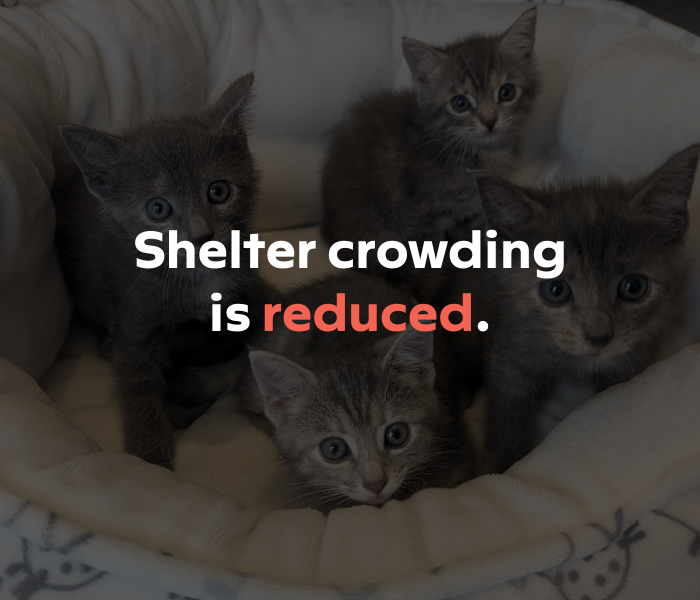
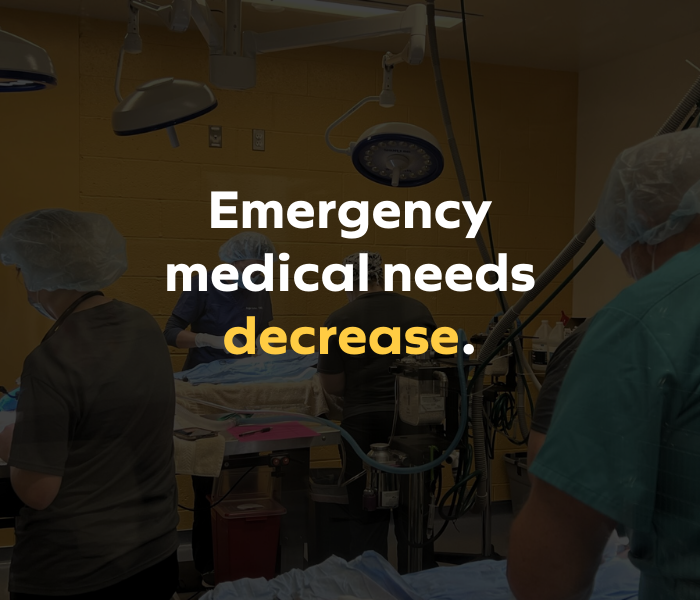
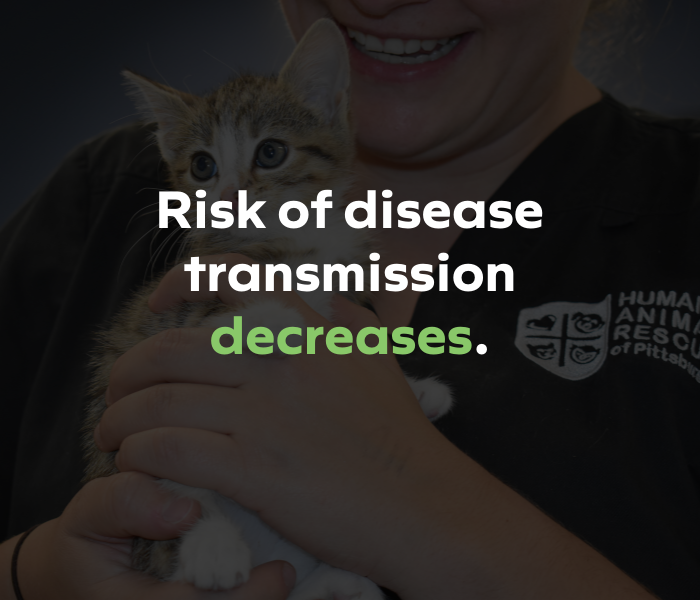
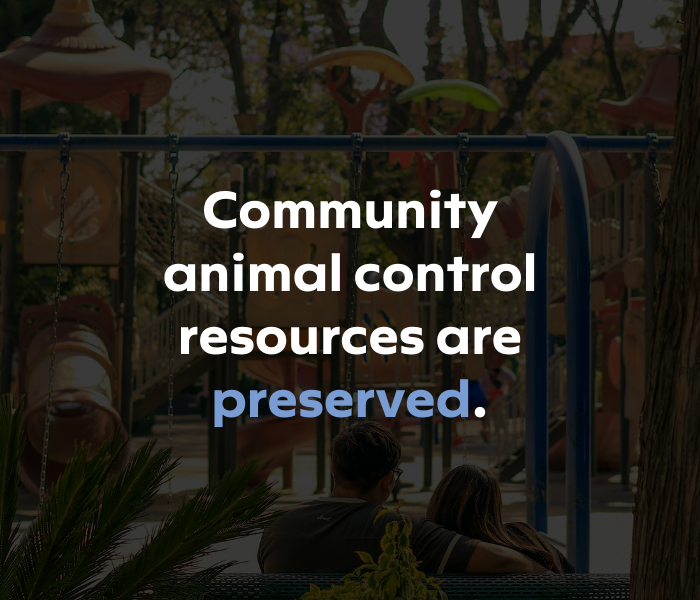
Foster care helps ease strain across the animal welfare system, allowing shelters, veterinary teams, and animal control services to respond more thoughtfully and effectively to community needs.
When kittens are supported and stabilized in foster homes:
You Don’t Need Experience. You Need Support.
One of the most common misconceptions about neonatal fostering is that you must have veterinary or rescue experience.
At HARP, we provide:
- Training and hands-on education
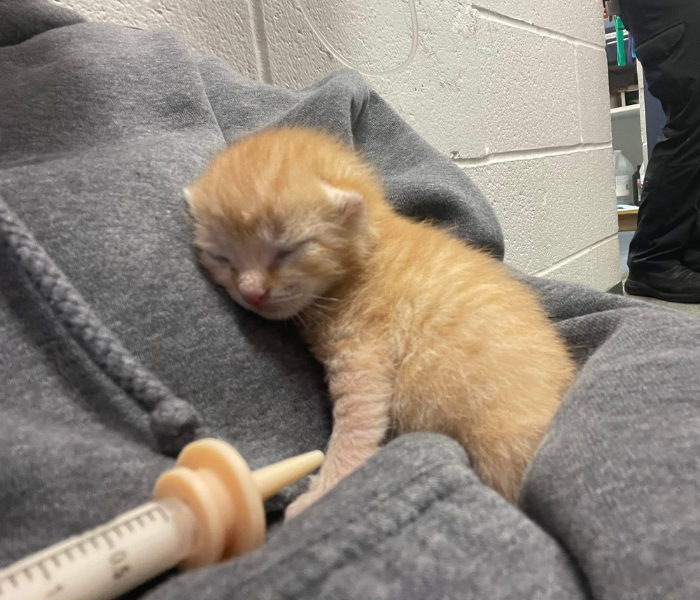
- Supplies like formula, bottles, heating sources, and a scale
- Medical guidance and check-ins
- A safety net so fosters are never doing this alone
Fostering is a partnership, not a solo responsibility, and HARP is here every step of the way. Neonatal fostering is not all tiny yawns and kitten snuggles. There are late nights, sleepy mornings, and yes, a few tears when it is time to say goodbye.
We have the training, the supplies, the support, and absolutely the tissues ready for that part. There is something incredibly special about being there from day one, watching these babies grow because of you, and then sending them off to their forever homes strong.